Out of the mess comes order sludge handling turns waste into something easier to deal with. Instead of piling up trouble, it shrinks bulk, knocks out harmful microbes, then clears the way for recycling or proper dumping. Getting it right means knowing your machines, understanding each step. Experts make sure nothing goes wrong when things get thick.
Sludge Basics and Handling
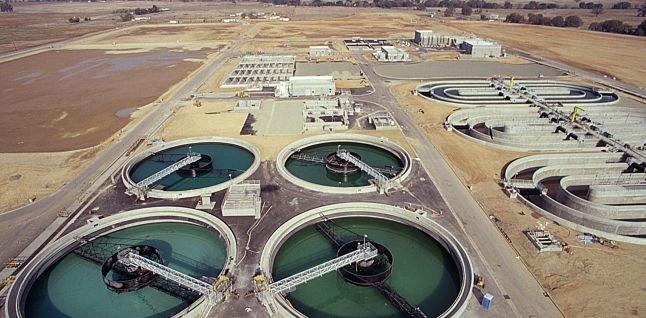
Water leaves behind thick gunk when waste gets cleaned in two main steps. This leftover muck holds bits of broken-down plants and animals, along with dirt and moisture. Heavy particles sink first, creating one type after sitting still. Another kind shows up later, thanks to tiny living things chewing through wastes in bubbled tanks. If nobody manages what builds up, bad stuff might leak into drinking sources underground. Germs hiding inside can also spread sickness if they escape.
Sludge treatment systems
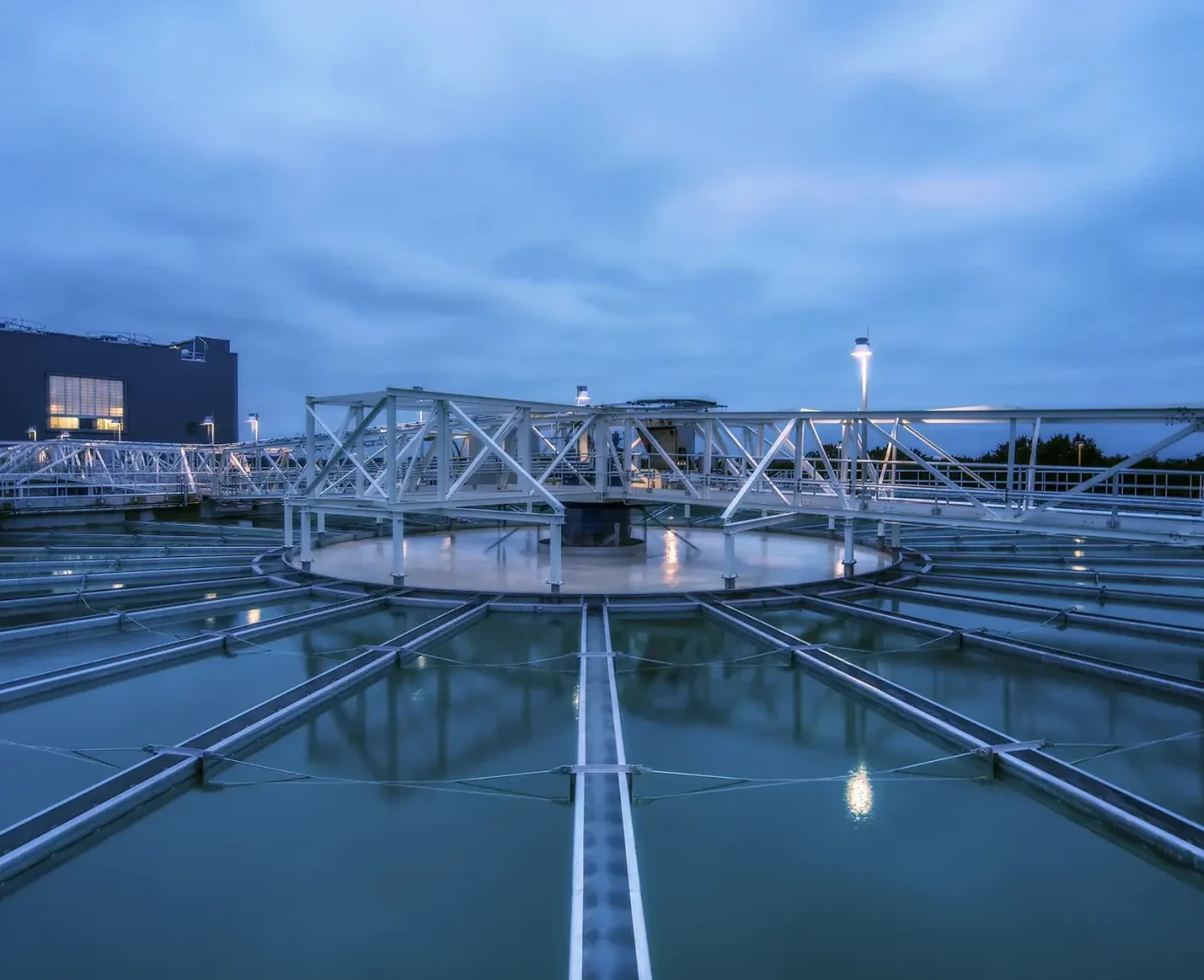
address these issues through sequential steps: thickening, stabilization, dewatering, and drying or incineration. Thickening alone can halve sludge volume using gravity or flotation methods. In industrial settings, such as those served by Waste Management Consulting & Treatment Solutions, customized sludge treatment systems ensure regulatory compliance and cost efficiency.
Parts of sludge treatment systems
Fresh approaches to sludge handling stitch together several steps to work better. Breaking down organic matter without oxygen produces biogas, cutting material size nearly in half and creating usable fuel at the same time. Heat-driven breakdown before digestion makes solids easier to process, killing pathogens so treated waste can go on farmland safely.
Out back, machines squeeze wet sludge until it thickens – about one quarter to nearly one third solid stuff. Some spin fast, handling loads each hour; others twist slowly, sipping power while pushing water out. Liquid drips away smaller now, leaving behind a goop ready for more heat later.
Advanced Sludge Dewatering Equipment
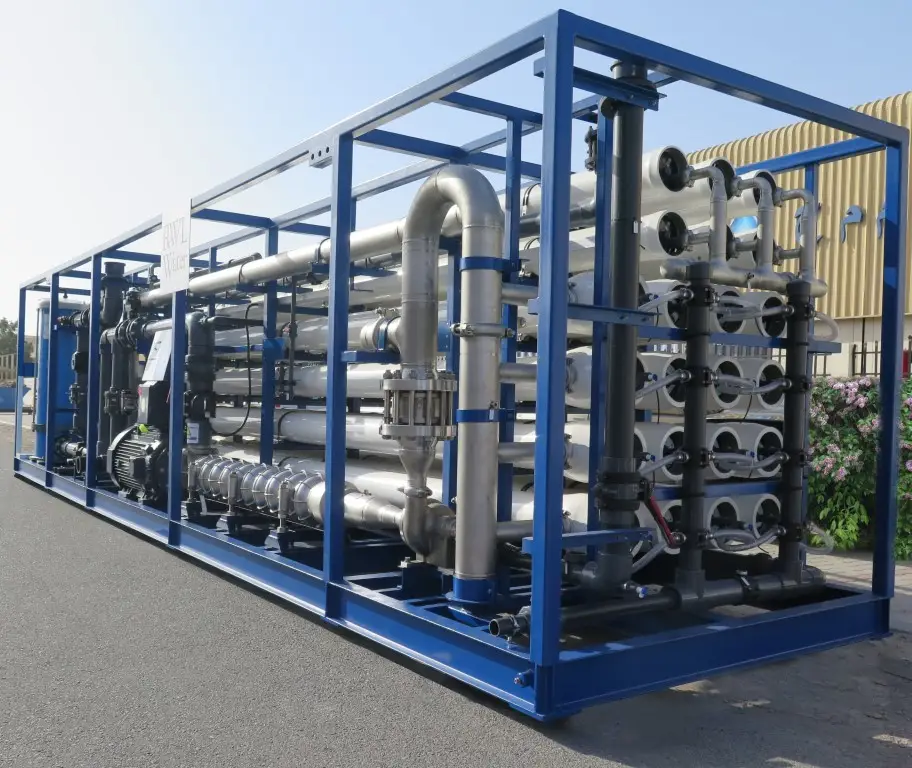
Sludge dewatering equipment varies by application, with filter presses excelling in high-dryness cakes for difficult sludges.Performance shifts depending on what kind of goo you’re dealing with. For changing flow rates, belt-driven units manage decent results but demand constant upkeep. Spinning drums keep smells locked inside – useful near neighborhoods. Even if they gulp more power, these separators trap nearly all solid matter. Dry output matters most in some setups.
Out in the field, screw presses keep running without stopping, using little polymer while hitting 18 to 25 percent solids in small spaces. When it comes to picking sludge gear, what matters most is the sludge itself, how big the plant runs, and power prices – with oily stuff, multi-disk models work better. Pairing dewatering and drying into one setup slashes total cost somewhere between 30 and 40 percent
Equipment Type | Dry Solids Achieved | Energy Use | Best For |
Screw Press | 18-25% | Low | Continuous, low maintenance |
Centrifuge | 20-30% | High | High throughput, enclosed |
Belt Filter Press | 15-25% | Medium | Variable sludge |
Filter Press | 25-40% | Medium | Batch, high dryness |
Sludge Drying Techniques
Sludge drying further reduces moisture to 10-90%, opening up options such as burning it, using it as fuel, or turning it into fertilizer. Hot gas speeds evaporation inside rotary drums – this thermal process manages wet material without slowing down. After squeezing out water, paddle-style units push solids past 90 percent while pulling heat back into the system.
Sunlight does the work when sludge gets spread across greenhouse-covered beds, cutting energy bills where sunshine is steady. When skies stay clear, expenses drop between half and seventy percent versus heat-based options. Machines squeeze water out first in hybrid setups, then sun or fire finishes the job depending on need.
Out of messy sludge comes something useful. Once dried, it burns clean in cement plants instead of coal. Not all methods take heaps of power. Some clever systems use falling films inside tubes to pull water out fast. Heat gets reused every chance it gets. Dryness levels climb between sixty five and ninety percent. Efficiency sneaks in through smart design, not brute force.
Incineration and Final Disposal
Once dried, burning waste in swirling sand-like beds between 800 and 950 degrees wipes out germs while shrinking bulk by nine-tenths. These hot bubbling chambers turn heat into usable steam or electricity, sometimes running on their own when dampness stays under a third. Older facilities may still rely on stacked chamber ovens, though they fall short in performance.
Out of smoke comes cleaner air, thanks to filters handling exhaust in today’s sludge burners. What remains is ash – small in amount, firm in form – headed for dumps or mixed into building materials. Power gets pulled from the process, trimming expenses; a few sites even send electricity back to the grid.
Benefits and Challenges
Sludge treatment systems yield environmental gains: pathogen elimination, leachate reduction, and biogas energy. Volume cuts lower transport and disposal costs by 40-85%. Reusing dried sludge as fertilizer supports circular economy principles
Fighting thick sludge means machines must shift on the fly. Power hunger shows up hard when removing moisture. Smoke rules add another layer of hassle. When mix shifts, gear can’t lag behind. Smart tracking by machine brains helps stay ahead. Pulling warmth back into the loop cuts power needs. Burning waste fully without outside fuel? That goal pulls tech forward
Sludge Treatment Systems Implementation
For Water Treatment Projects And Plant setups, start with site audits to match sludge characteristics to equipment. Testing on a small scale confirms how well things work, often cutting sludge volume by three-quarters or more. Working alongside specialists improves results by combining dewatering units with proper drying solutions.
Fresh upkeep means watching how much polymer goes in while clearing out filters now then. Rules push people to follow along, especially since top-grade biosolids can go on farmland. What comes next leans into mixing systems and using greener power sources just because it lasts longer.
SafeGuard’s sludge drying incineration technology exemplifies efficient integration. Comprehensive sludge treatment systems deliver compliance, efficiency, and resource recovery for industrial and municipal needs. Treatment doesn’t just remove hazards – it pulls value back out. Systems handle loads from factories or city sewers with equal steadiness. Outputs meet regulations quietly, without fuss. Energy gets reused where possible, because excess has weight. Each unit adapts before conditions shift too far. Results stay consistent even when feed varies. This isn’t future thinking it runs now