


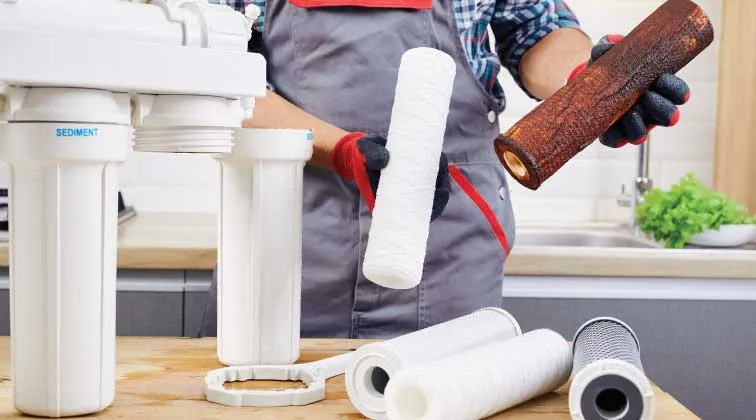
Maintenance Tips for Kuwait RO Systems
If you’ve got your RO water purifier installed then it’s a great choice. Now, to make sure it keeps working well for years, a little care is all you need. In Kuwait, where water quality can change with seasons and usage, ro system maintenance isn’t something you do once and forget — it’s something you build into your routine.
Let’s go through all the tips that can really help you keep your RO system running like new, without getting too technical.
Why RO System Maintenance Matters
An RO system does a tough job: it pushes water through multiple filters and membranes to take out impurities you can’t see or taste. Over time, those filters get tired. If you ignore that, your water might start tasting off or slowing down, and eventually parts wear out faster.
Doing regular reverse osmosis maintenance means:
- cleaner water,
- longer lifespan for your system,
- fewer surprises or big repair bills.
Here’s how to do it right.
1. Timely Filter Changes
This is the heart of keeping your RO healthy.
Every RO has a few different filters:
- Sediment filter — catches big particles like dust or sand.
- Carbon filter — removes chlorine and odor.
- RO membrane — the heart of the system that removes dissolved salts and bacteria.
Rough schedule that works well in Kuwait homes:
- Sediment & carbon filters: Replace every 6–9 months.
- RO membrane: Replace every 12–24 months depending on how much water you use.
If you wait too long, water flow drops and your system works harder — not good for longevity. Changing filters on time makes a huge difference.
2. Clean the Storage Tank Regularly
Your purifier has a tank where filtered water sits until you use it. Over time, tiny sludge, dust, or bacteria can build up on the inside walls if it’s never cleaned.
Here’s what you can do:
- Ask for a tank cleaning when the technician comes for filter replacement.
- If you’ve never cleaned it since installation, now’s the time.
You’ll notice the water tastes fresher after a tank clean — it’s one of those things that actually makes a real difference day to day.
3. Keep an Eye on Leaks and Odd Sounds
A leak doesn’t always mean disaster, but it’s a sign something isn’t right.
Watch out for:
- Water pooling beneath the unit
- Drips around connections
- Strange clicking or humming noises when the system is running
If you see or hear any of these, call someone quickly. Fixing a loose tube now is way cheaper than a flooded cupboard later.
This kind of check is part of everyday reverse osmosis maintenance — just pay a little attention and you’ll catch small issues before they grow.
4. Check Water Pressure Regularly
RO systems like stable water pressure. When home pressure drops (or suddenly spikes), the RO can slow down or struggle.
If you notice:
- Slow water flow,
- Weird air pockets from the faucet,
- Or your system stopping often,
Sometimes a small pressure boost device or regulator installed at your line makes everything run smoother. Ask the service guy to check your house pressure during maintenance.
5. Protect Against Power Surges
Kuwait’s power can flicker sometimes — and that’s not great for electronics. Your RO system may have a booster pump or electric parts that don’t like sudden surges.
A small surge protector makes life easier. It protects the motors and electronics so you don’t wake up one day with a broken pump — been there, seen it!
6. Don’t Let the Unit Get Dusty or Damp
Yeah, this seems basic, but:
- Keep the area around the RO clean.
- Don’t let the unit sit close to water spills or direct heat.
- A little cloth wipe every week goes a long way.
Dust can sneak into tiny cracks and eventually clog filters faster, so a clean corner helps your RO breathe.
7. Stick to a Maintenance Calendar
Most people forget maintenance simply because they don’t track it.
Here’s a simple trick:
- Put filter change dates on your phone calendar.
- Label your filters with the date you installed them.
- Do a quick check every month.
Once this becomes a habit, your system runs smoothly without you having to wonder “when was the last time…?”
8. Use a Trusted Service Partner
You don’t have to do everything yourself — most people don’t.
In Kuwait, getting help from people who know RO systems well makes a big difference. Brands offering Best Water Filter Services in Kuwait or Best Water Filtration & RO Systems in Kuwait can take care of:
- filter changes,
- tank cleaning,
- pressure checks,
- membrane inspection,
- full annual service.
A yearly professional check-up keeps everything efficient and gives you peace of mind.
9. Taste & Appearance Checks Still Matter
Don’t ignore your senses.
If water suddenly tastes odd,
or looks cloudy,
or flow becomes strangely slow, that usually means the system needs attention.
You don’t need high tech tools — your own drinking experience is one of the best early warning signs.
10. Keep Replacement Parts Handy
Sometimes a filter or membrane runs out earlier than expected depending on water usage. It’s smart to keep replacements in advance. This way you avoid running the system slower than it should while you wait for parts.
Real Talk: Little Things Matter
Maintaining your RO system isn’t hard — it’s just a few good habits:
- Set reminders,
- Watch water flow,
- Don’t ignore strange signs,
- Call a technician if you’re unsure.
Most families in Kuwait find that once they get into this rhythm, the purifier becomes one less thing to worry about in daily life.
Frequently Asked Questions
.
Honestly? Stick to roughly 6–9 months for pre-filters and around 12–24 months for the membrane. If the water flow slows or tastes funny sooner, don’t wait — change it
You can do light checks — watching for leaks, cleaning around the unit, checking flow. But for filter swaps, tank cleaning, and pressure checks, calling a pro saves you stress.
It usually means the filters or membrane are clogged and need attention. That’s one of the most common calls technicians get.
It’s not mandatory, but it’s smart. A yearly pro check keeps your system healthy long-term and prevents costly problems down the road
If you skip care, your water quality drops, parts wear faster, and you’ll spend more on repairs later on. Simple care now saves money later