
Maintenance Tips for Kuwait RO Systems
If you’ve got your RO water purifier installed then it’s a great choice. Now, to make sure it keeps working well for years, a little


Sewage Treatment Plants (STPs) play a critical role in treating domestic and municipal sewage to produce environmentally safe effluent and prevent waterborne diseases. S-Guard offers comprehensive STP solutions designed to handle varying capacities and treatment requirements. Our STP systems employ advanced biological treatment processes, including activated sludge, aerobic digestion, and membrane bioreactor (MBR) technologies, to effectively remove organic matter, nutrients, and pathogens from sewage. By integrating reliable filtration and disinfection methods, we ensure that the treated water meets stringent quality standards for reuse or safe discharge into water bodies. S-Guard’s STP solutions are scalable, cost-effective, and environmentally sustainable, making them ideal for urban and rural communities, commercial complexes, and industrial facilities.
Biological processes break down organic material in sewage, ensuring cleaner effluent.
Our STPs significantly reduce harmful pathogens, making the treated water safe for disposal or reuse.
Our systems ensure adherence to stringent environmental regulations for wastewater discharge.
We prioritize energy-efficient technologies and responsible resource management.
Apart from cleaning household waste, these centers handle runoff from factories and shops, filtering out dangerous substances before releasing cleaner water back. What happens inside them matters most when supplies run low – places such as Kuwait depend on their steady operation. Clean output means fewer risks to people and nature alike
Modern sewage treatment plants handle high volumes, using physical, biological, and chemical methods. In Kuwait, companies like Safe-Guard Co specialize in such installations, providing tailored solutions under Waste Management Consulting & Treatment Solutions for diverse projects.
Water flows into a facility designed to clean waste, commonly known as an STP. This place works by removing chunks of debris first, then breaks down gunk using natural processes. Instead of dumping harmful stuff into rivers, the system cleans it step by step. Microbes eat pollutants, filters trap sludge, oxygen helps good bacteria thrive. Before anything leaves the site, strict rules must be met. What comes out is much cleaner than what went in
Out here, big facilities clean loads of wastewater through filters, microbes, and chemicals. Over in Kuwait, a firm named Safe-Guard Co sets up these systems, crafting custom fixes for varied jobs under their waste consulting and cleanup services
From small setups serving homes to vast plants handling city waste, sewage treatment works come in many sizes. Because they keep toxins out of rivers and underground reserves, these systems meet tough ecological rules
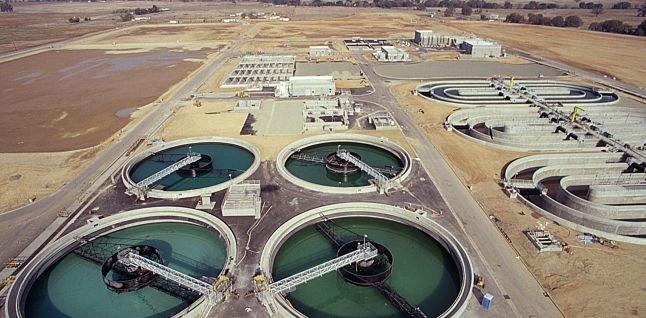
Waste flows through several steps at treatment centers – starting rough, then getting cleaner step by step. First up: big chunks and gunk get caught in racks that act like filters. Sand sinks out when water slows down in special tanks. Each phase takes something different out of the mix before moving on
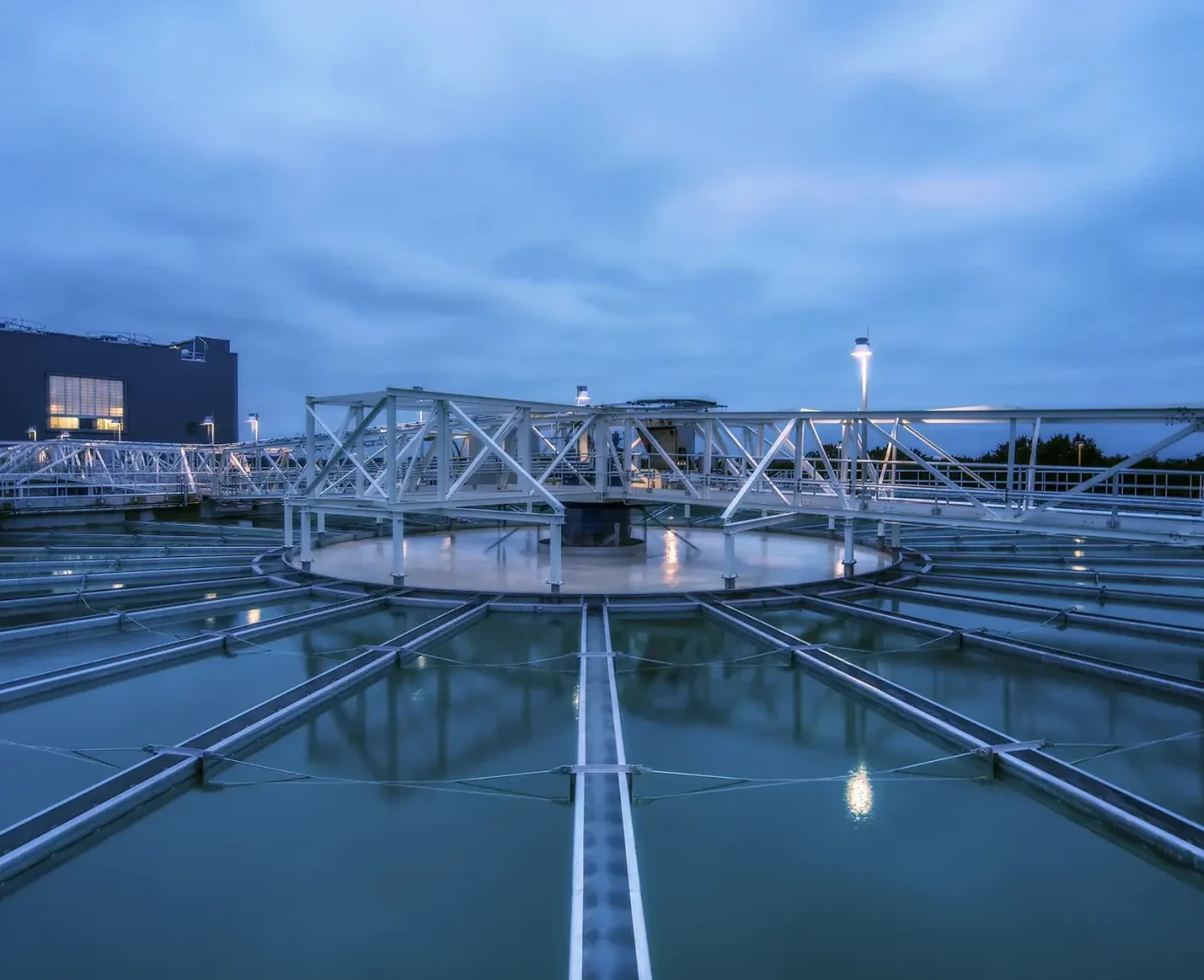
Built like wide basins, these tanks slow water so gunk sinks down below. Up top, greasy scum rides the surface until it gets pulled off sideways. Around half of what clouds the flow ends up removed through this step
Besides screening out solids, many sewage plants lean on living organisms to do the heavy lifting. When air gets bubbled through dirty water, tiny life forms go to work digesting waste materials
Purified further during tertiary steps, wastewater moves through filters. UV light or chlorine kills remaining germs at this stage instead of earlier ones. Nutrients get pulled out before the last phase ends. Some modern plants use membrane bioreactors – these take things a step beyond basic cleaning. The result turns into safe water again, fit for watering lawns or running toilets
or city blocks. Found almost everywhere big cities clean water, traditional sludge-based facilities rely on oxygen-filled pools where tiny organisms break down waste
A single tank handles wastewater in cycles using sequencing batch reactors, a smart fit where flow changes often. Places such as industrial parts of Kuwait benefit when room is tight
A fresh approach to cleaning water begins with tiny filters working alongside living organisms. These setups push performance by letting microbes do their job longer than usual. Tiny bubbles help break down waste more completely where space is tight. Clarity improves dramatically because particles cannot pass through the fine mesh. Pathogens stand little chance when trapped between biological activity and physical barriers.
Out in the wild, pre-built treatment units arrive ready to run, cutting setup time for far-flung sites. Water trickles through beds packed with material, microbes on the surface breaking down dirty stuff along the way
Facing dry landscapes alongside growing cities, Kuwait relies on sewage treatment to manage water wisely. At Umm Al-Hayman, half a million cubic meters of wastewater are processed daily through layered cleaning steps – alongside turning leftover sludge into compost.
Safe-Guard Co, based in Kuwait, delivers STP as part of Water Treatment Projects And Plant initiatives, focusing on compact, energy-efficient designs for commercial and industrial clients.
Built in Kuwait, Safe-Guard Co handles water treatment jobs by providing STP units that take up less space yet run efficiently. These systems serve businesses and factories wanting reliable performance without high power demands. Designs stay tight but effective, matching real-world needs on site. The company targets practical results through smart engineering choices behind each build.
Out here, rules set by Kuwait’s environmental authority push cleaner water output, so towns are turning to smarter sewage solutions. Over in places such as Al Shadadiyah, factories handling food or chemicals split their waste flow through separate treatment units – keeps things running without mixing streams
Out here, sewage treatment helps recycle water so less depends on turning seawater fresh. That shift also eases pressure on natural underground supplies
Out in the open, sewage treatment stops untreated waste from flowing into oceans or desert streams. From there, cleaned water slips underground to refill natural reserves or spreads across green areas instead of using clean supplies
Fines from agencies such as KEPA? They sidestep those by sticking to rules. Smaller sewage treatment setups save money – not just on power, but also because they leave behind almost no sludge
Bacteria get wiped out, which means less chance of catching something nasty like cholera. Savings on water show up fast – between a third and half – for towns and factories that recycle their wastewater.
Fresh air stays fresh because STP facilities seal in smells using tight enclosures. Green building labels such as LEED gain points when these systems are part of the design
Starting off, inlet screens catch large debris before it moves further into the system. Following that, grit chambers remove sand and small stones. Primary clarifiers let solids settle early in the process. Then comes the aeration tank, where microbes break down waste using oxygen. That oxygen is delivered by blowers – key players in supporting bacterial activity. Afterward, secondary settlers allow those microbes to separate from treated water. Ending at disinfection units, harmful organisms get neutralized before release
Besides breaking down waste, digesters help create biogas while thickening units reduce volume before pressing. Though often overlooked, consistent tracking of pH levels matters just as much as oxygen content in water. Instead of guessing, automated tools keep tabs on how fast liquids move through pipes. When pressed, sludge loses moisture, making it easier to handle later on
Out in Kuwait’s tough weather, stuff such as HDPE or fiberglass holds up well against rust. When more people arrive, modular sewage plants can grow step by step – no overhaul needed.
Too much salt in Kuwait’s wastewater makes it tough for tiny life forms to survive. Tough treatment plants handle this using specially adapted microorganisms. Power needed for air supply can get expensive. Better blowers help lower that cost. Sun-powered energy also plays a role in cutting down electricity use.
Composting or burning sludge helps prevent landfills from filling up too fast. In today’s wastewater facilities, automated systems work alongside internet-connected sensors – these tools keep operations running smoothly while spotting potential issues before they grow.
When crowds visit, wastewater spikes challenge treatment systems. Storage tanks handle surges until the system catches up. The SBR process adjusts easily to changing loads. Clean output is checked through frequent reviews.
Several sewage treatment systems suit different needs, from rural septic setups to urban plants. Conventional activated sludge plants (ASP) dominate large-scale operations, using aeration tanks for microbial digestion.
Sequencing batch reactors (SBR) treat sewage in batches within one tank, ideal for variable flows and space-limited sites like Kuwaiti industrial zones.
Membrane bioreactor (MBR) ST systems combine biology with ultrafiltration membranes for superior clarity and pathogen removal. Extended aeration systems extend contact time for better efficiency in smaller Sewage treaments plants.
Packaged ST systems offer plug-and-play options for quick installation in remote or modular projects. Trickling filters distribute wastewater over media where biofilms degrade pollutants.
Out of what once was waste, sewage treatment facilities now make biogas and nutrients through oxygen-free breakdown. With smart software guiding operations, power use drops one-fifth.
Smart cities start leaning on decentralized STP setups. When nanotech steps into sewage plants, filters work much better.
Facing growing demand, Kuwait pushes ahead with Umm Al-Hayman Phase 2 – set to deliver 750,000 cubic meters daily by 2030. Water saved through treatment finds new life here, reused rather than lost.
High salinity in Kuwaiti sewage challenges microbes, addressed by robust Sewage treatment systems with acclimated cultures. Energy costs rise with aeration, mitigated by efficient blowers and solar integration.
Sludge management requires composting or incineration to avoid landfill overload. Automation and IoT sensors in modern sewage treatment plants optimize performance and predict maintenance.
Daily checks cover pumps, blowers, and chemical dosing. Monthly sludge wasting prevents overload in STP systems.
Annual overhauls inspect membranes and clean tanks. Train operators on microbial health monitoring.
Partner with experts like Safe-Guard Co for audits. Use SCADA for remote oversight.
Sewage treatment plants safeguard ecosystems and support growth. Investing in reliable Sewage plants yields long-term sustainability
Tools and information for reducing waste

“Li Europan lingues es membres del sam familie. Lor separat existentie es un myth. Por scientie, musica, sport etc, litot Europa usa li sam vocabular. Li lingues differe solmen in li grammatica, li pronunciation e li plu commun vocabules. Omnicos directe al desirabilite de un nov lingua franca: On refusa continuar payar custosi traductores.”
@accountname

“Li Europan lingues es membres del sam familie. Lor separat existentie es un myth. Por scientie, musica, sport etc, litot Europa usa li sam vocabular. Li lingues differe solmen in li grammatica, li pronunciation e li plu commun vocabules. Omnicos directe al desirabilite de un nov lingua franca: On refusa continuar payar custosi traductores.”
@accountname
Customized waste reduction plans for your business
If you’ve got your RO water purifier installed then it’s a great choice. Now, to make sure it keeps working well for years, a little
We know that not all tap water available at our home is safe to just drink straight from the faucet. The water available in our
We know that clean drinking water is very much important for our living, but to be frank not all water available is safe for daily